

We are proud to say that these posts are not sponsored. Our editorial team of Bobbie moms and writers personally select each featured product. If you buy something through our links, we may earn an affiliate commission, at no cost to you.
Ah, diapers. As a parent (especially a parent of an infant), it can feel like you spend more time hunched over the changing table than anywhere else. And you aren’t alone. According to the American Academy of Pediatrics, parents change their babies’ diapers an average of six times per day. That adds up to thousands of diapers over your little one’s diaper-wearing years. As a result, you’ll likely spend more on diapers than on many other essentials during your baby’s first few years, including baby wipes and baby food.
For something as essential as diapers, there’s no shortage of choices. If you’ve ever walked down the diaper aisle at Target or searched “diapers” on Amazon, you know just how many options are available. Bamboo diapers. Organic diapers. Overnight diapers. Even reusable diapers. When you’re an already overstressed and overwhelmed new parent, the last thing you need is one more decision to make.
To make your life — and your diapering decisions — a little easier, we’ve done the digging for you and narrowed down the best baby diapers of 2026, from the best diapers for newborns to the best cloth diapers. And if you’re an Amazon shopper, this is also a good time to check out Amazon Subscribe & Save for potential savings.
- 12 Best Diapers of 2026
- What We Looked for in a Baby Diaper
- Baby Diaper FAQs
- How do you choose a diaper brand?
- How do you choose diaper size by weight?
- How do you get rid of diaper rash?
- Which brand of diaper is best for babies?
- What is the top-rated diaper?
- Which diaper is best for a newborn baby?
- Are Huggies or Pampers better?
- What diapers are safest for babies?
- What diapers do hospitals use for babies?
- Which diaper lasts the longest?
- What diapers don’t leak?
- Finding the Best Baby Diapers for Your Little One
12 Best Diapers of 2026
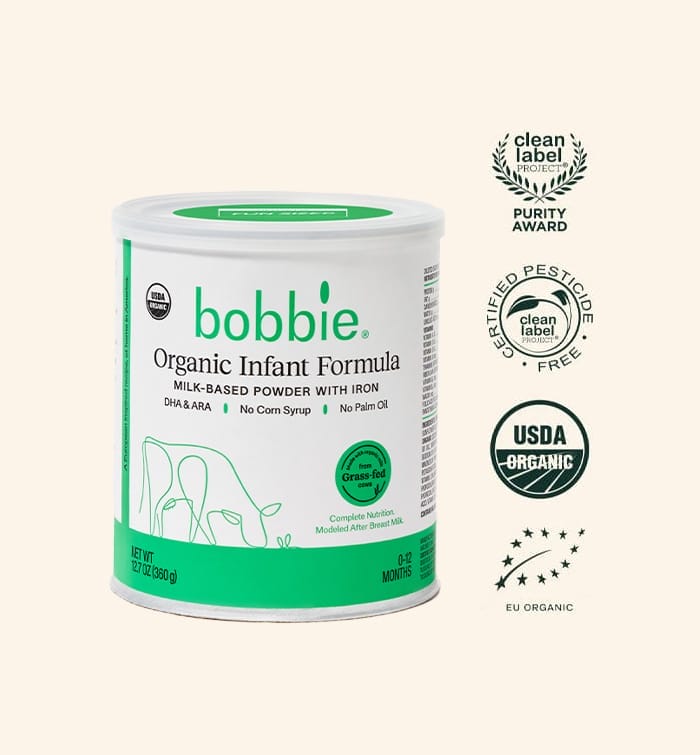
Shop Bobbie Organic Infant Formula
Bobbie Organic Infant Formula is a USDA Organic, EU-style infant formula that meets all FDA requirements. It is a complete nutrition milk-based powder modeled after breast milk and is easy on tummies. It is non-GMO and doesn't have corn syrup, palm oil, or maltodextrin. Learn more about Bobbie.
1. Best Diapers for Sensitive Skin: Coterie Diaper

Your baby finally sleeping through the night (or at least for longer stretches) is all fine and dandy until you find a soaked and soiled crib in the morning. Fortunately, Coterie diapers are designed with absorbency in mind. According to the brand, they can hold more liquid in a single diaper than any other brand.
Your little one may appreciate the soft, flexible material that allows them to move freely. The diapers are also made without certain ingredients that parents may prefer to avoid. In my baby birth-month group on Facebook, I see fellow December mamas rave about Coterie, especially those looking for a diaper and wipe subscription. P.S. Their swim diaper has also become a favorite during the summer months.
Highlights:
- Up to 12-Hour Protection
- Blowout-Blocking Fit
- Total Chlorine-Free
- Fragrance Free
Price: Starting at $95/month
2. Best for Sensitive Skin: Pura Diapers

If your baby has sensitive skin, Pura diapers and unscented baby wipes are worth a look. The award-winning UK brand makes diapers without added fragrance, lotion, parabens, phthalates, natural rubber latex, or chlorine. They’re also dermatologically tested, Allergy UK certified, and OEKO-TEX certified.
I also like the little details that make diaper changes easier, especially during those newborn days when you’re changing diapers around the clock. The wetness indicator tells you when it’s time for a change, and newborn sizes have an umbilical cord cutout to protect your baby’s healing belly button. Pura is also a good option for parents who want to be more mindful of the products they use.
Key highlights:
- Total Chlorine-Free
- Wetness Indicator
- Umbilical Cutout
- Allergy UK Certified
Price: $29 for 80 diapers
3. Best for Active Babies: Huggies Little Snugglers Newborn Diapers

So, your little one likes to move. Whether they’re crawling, scooting, walking, or simply kicking nonstop at their activity gym, you need a diaper that stays in place. Huggies may be a good option, according to parents.
The waistband and leg bands are designed to be soft against your baby’s skin while providing a secure fit as they move. Purple Velcro-style “double grip strips” at the waist add another layer of security to help prevent the diaper from gaping or coming undone.
I can personally attest to the effectiveness of Huggies diapers, too. Our baby girl is affectionately nicknamed Wiggle Worm for a reason, and Huggies are the only diapers that seem able to keep up with her.
Key highlights:
- All-Around Blowout Protection
- Up to 100% Leakproof
- FastAbsorb System
- Fragrance Free and Hypoallergenic
Price: $28 for 84 diapers
4. Best Affordable Option: Hello Bello Premium Diapers

For babies whose skin is prone to irritation, the fragrances and materials found in some diapers can be a concern. Hello Bello diapers offer an alternative at a budget-friendly price.
Made with plant-based materials, these diapers are free of artificial fragrances, latex, lotion, parabens, and chlorine. Many parents say Hello Bello diapers feel as soft as higher-end diapers, while costing a fraction of the price. Some also report fewer breakouts or rashes compared with other diapers, although every baby’s skin is different.
Key highlights:
- Gentle for Sensitive Skin
- Paraben and Phthalate Free
- Fragrance and Latex Free
Price: $20 for 82 diapers
5. Best for a Subscription: Kudos 100% Cotton Liner, Total Chlorine Free Diapers

Made without chlorine and featuring a 100% cotton layer against your baby’s skin, Kudos diapers are a popular option for parents looking for a subscription service. Parents appreciate their coverage and report fewer blowouts, including overnight.
The diapers are available up to size 6, which fits babies weighing 30 pounds or more, making them an option for growing little ones, too.
Key highlights:
- 100% U.S. Sourced Cotton
- Total Chlorine-Free and OEKO-TEX certified
- Fragrance, Latex, Paraben, and Phthalate Free
- 12+ Hour Absorbency
Price: $84/month for 210 diapers with a subscription
6. Best for Leak Protection: DYPER Baby Diapers

A leaking diaper can turn a perfectly good outfit into a laundry-day emergency, and nighttime leaks are even less fun. DYPER diapers are designed for day and night, with a snug, flexible fit to help keep wetness and blowouts under control.
DYPER diapers are made with sensitive skin in mind, too. They’re dermatologist-tested and OEKO-TEX certified, and are made without chlorine, latex, alcohol, perfumes, lotions, parabens, phthalates, and several other ingredients the brand excludes. A built-in wetness indicator is another helpful feature when you’re trying to figure out whether it’s time for a change. And if reducing diaper waste is on your mind, its ReDyper composting service lets you arrange used-diaper pickup for processing through its composting program in eligible areas.
Key highlights:
- Hypoallergenic
- OEKO-TEX Certified and Dermatologist-Tested
- Wetness Indicator
- Fragrance Free
Price: $20 for 36 diapers
7. Best Plant-Based Option: The Honest Company Daytime Diapers

The Honest Company Daytime Diapers are a good option if you want plant-based materials without sacrificing everyday practicality. Their absorbent core uses fluff pulp sourced from FSC-certified forests, and the diapers are made without elemental chlorine, fragrances, parabens, or natural rubber latex.
Little details matter when you’re changing diapers all day, and Honest includes features designed to make that routine easier. The leg cuffs help catch leaks, flexible sides create a snug fit, and the wetness indicator lets you know when it’s time for a change. The playful prints are a nice touch, too. Just keep in mind that some features vary by size.
Key highlights:
- Hypoallergenic
- Up To 100% Leak Protection
- Plant-Based
- OEKO-TEX Certified
Price: $33 for 78 diapers
*As of November 2023, Honest switched from Totally Chlorine Free (TCF) to Elemental Chlorine Free (ECF) fluff pulp. This is an update in the way the fluff pulp is made, but the safety and quality of the diaper you know and love remain the same.
8. Best Cloth Option: Esembly Cloth Diaper Set

So, you’ve bravely decided to try cloth diapers. We commend you! Of all the cloth diaper brands out there, Esembly is one of the best-known options.
The system includes an inner layer made from soft, absorbent organic cotton and an outer layer made from recycled plastic. The inner layer absorbs moisture, while the outer layer helps contain leaks. According to the brand, you’ll need around 24 inner diapers and six outer diapers to build a reusable stash, potentially saving money over time compared with disposable diapers.
The diapers are machine-washable, and their two-layer design helps provide leak protection. They’re also made without perfume, chlorine, or phthalates. And with reusable diapers, you can reduce the amount of disposable diaper waste your family sends to the landfill. No messy blowouts ending up on your gorgeous white couch here — at least, that’s the hope!
Key highlights:
- 100% Certified Organic Cotton
- 100% Recycled TPU
- Doubles as a Swim Diaper
Price: $56 for a pack of 4 diapers
9. Best Eco-Friendly Disposable Option: Freestyle SkinShield Diapers

If cloth diapers aren’t for you but you still want to make a more considered choice, Freestyle SkinShield diapers are worth checking out. They’re made with FSC-certified, total chlorine-free wood pulp and feature an EWG Verified® formula. The brand also focuses on skin protection, with a seven-layer design.
One thing busy parents may appreciate is Freestyle’s subscription service. Diapers arrive in quantities tailored to your baby’s size, so you have one less thing to remember when the week gets hectic. You can pause or cancel anytime, too. While disposable diapers still create waste, Freestyle may be a good fit if ingredient transparency and chlorine-free processing are high on your list.
Take it from Bobbie mom Elieke: “My son, Leif, loves them, and so do I. These are the perfect solution for our almost potty-trained toddler who still wears diapers at night.”
Key highlights:
- 7-Layer skin protection
- Total Chlorine-Free
- EWG Verified®
Price: 198 diapers for $75 (one-time purchase) or $70/month with subscription
10. Best for Swimming: Alva Swim Diapers

While big-name brands like Huggies and Pampers make disposable swim diapers, reusable swim diapers may be a more budget-friendly option for families who want to reduce waste. Alva Baby swim diapers are a popular choice on Amazon, with thousands of reviews from parents.
They come in a wide variety of colorful prints, from stripes and florals to cartoon fish. The soft elastic waistband and leg bands provide a snug fit, while adjustable snaps let you change the sizing as your little one grows.
Keep in mind that these swim diapers are meant to be worn over a regular diaper, so they’re not absorbent. They’re lightweight in the water and should be worn according to the manufacturer’s instructions.
Key highlights:
- Reusable
- Machine Washable
- Adjustable
Price: $10 for 2 reusable swim diapers
11. Best for Sustainability: Terra Diapers

The brand says its diapers are made with 85% plant-based materials and feature 360-degree absorbency to help keep your baby’s clothes and bedding dry. Terra also advertises up to 12 hours of wetness protection, along with dermatological testing and materials designed with sensitive skin in mind. The diapers are made without bleach or latex.
Key highlights:
- Ultra-Soft High-Back Waistband
- Breathable Bamboo Back Sheet
- Smart Wetness Indicator
- 3D Leak Guard Technology
Price: $14 for 28 diapers
12. Best for Newborns: Pampers Swaddlers Diapers

Pampers Swaddlers are a popular diaper choice at many U.S. hospitals, making them a familiar option for new parents. They also have thousands of reviews from parents on Pampers’ website.
Many parents appreciate the flexible, absorbent liner, which helps absorb liquid and contain messes without feeling too bulky. The diapers are designed to let babies move freely while drawing moisture away from the skin.
One thing to note: Pampers Swaddlers are lightly scented. If you prefer a fragrance-free alternative, consider Pampers Pure Diapers, which are marketed as unscented and hypoallergenic.
Key highlights:
- Up to 100% Leakproof Protection
- Fragrance Free
- Hypoallergenic
- Parabens, Elemental Chlorine, and Latex Free
Price: $50 for 198 diapers
What We Looked for in a Baby Diaper
When comparing baby diapers, we considered several key factors to help parents find an option that fits their baby’s needs, budget, and lifestyle. This includes:
- Absorbency: A diaper’s ability to absorb liquid is one of the most important factors to consider when choosing the best option for your baby.
- Diaper wetness indicator: A wetness indicator is a line on the outside of a diaper that changes color when it gets wet, so you can check without undoing the diaper (or doing the sniff test). It’s usually yellow when dry and turns blue when wet.
- Reviews and diaper ratings: We evaluated feedback from other parents by reading hundreds of reviews. We also considered each diaper’s average rating on Amazon and other retail websites.
- Perfume-free and chlorine-free materials: Added fragrances can irritate a baby’s sensitive skin, so fragrance-free diapers may be a good choice for babies prone to irritation. We also considered whether diapers were made without chlorine-based processing.
- Diaper price at time of publication: You’ll go through plenty of diapers, so the price per diaper matters. We considered whether brands offer bulk discounts or subscription options that could help families save.
- Eco-friendliness: Sustainable diaper options have expanded over the years, so we looked for products made with materials such as responsibly sourced bamboo and recycled plastic, as well as reusable cloth diapers. We also considered certifications like OEKO-TEX, which tests textiles for certain harmful substances.
Baby Diaper FAQs
How do you choose a diaper brand?
There are a lot of factors to consider when choosing the best diapers for your baby. We recommend looking at absorbency, price, eco-friendliness, fit and comfort, and customer reviews and ratings. It’s also important to think about any specific features you need. Are you looking for an overnight diaper with extra leak protection or something for an active baby that offers a secure fit?
How do you choose diaper size by weight?
Rather than choosing a diaper size based on age, check each brand’s size chart to find the best fit for your baby’s current weight. Here are some general guidelines for choosing a diaper size by weight:
- Up to 6 pounds: Preemie
- Up to 10 pounds: Newborn
- 8 to 14 pounds: Size 1
- 12 to 18 pounds: Size 2
- 16 to 28 pounds: Size 3
- 22 to 37 pounds: Size 4
- 27 to 35 pounds: Size 5
- 35 pounds and up: Size 6
How do you get rid of diaper rash?
The best way to help prevent diaper rash is to keep your baby’s bottom clean and dry and change diapers frequently. Fortunately, most cases of diaper rash are easy to treat. The American Academy of Dermatology recommends cleaning the area with water and a soft washcloth or fragrance-free wipes, then applying a thick layer of zinc oxide diaper cream to soothe and protect the skin. (We’re also big fans of Dr. Mom Butt Balm.) If the rash worsens or you think it’s infected, contact your pediatrician as soon as possible.
Which brand of diaper is best for babies?
We hate to break it to you, but there really is no single best diaper brand for every baby. It all depends on what you’re looking for and what your little one prefers. Every child is different!
What is the top-rated diaper?
According to some sources, Pampers is one of the top-selling diaper brands at major retailers like Target and Walmart. The brand is also widely used in hospitals and recommended by pediatricians. However, rankings and recommendations can vary by source.
Which diaper is best for a newborn baby?
While there’s no single diaper brand that’s best for every newborn, Pampers Swaddlers are a common choice at hospitals. The best diaper for your baby, though, is one that fits well and doesn’t leak.
Are Huggies or Pampers better?
Once again, it depends on your preferences and your baby’s needs. Some parents swear by Huggies while others prefer Pampers. Personally, I’m a fan of Huggies because they fit our baby better than Pampers. That said, many parents prefer Pampers. It all comes down to personal preference and fit.
What diapers are safest for babies?
When looking for diapers that suit your baby’s needs, it’s important to consider the materials they’re made from. If you’re concerned about skin irritation or rashes, you may prefer diapers made without added fragrances, latex, or certain chemicals used in processing, such as chlorine. You can also check whether the diapers contain phthalates and review the manufacturer’s information about their materials.
What diapers do hospitals use for babies?
Diaper brands vary from hospital to hospital, but many parents say they were given Pampers Swaddlers during their hospital stay. Huggies is also a popular choice at some hospitals. If you’re preparing for your delivery, you can check with your hospital to find out which diapers it provides.
Which diaper lasts the longest?
Many brands make overnight versions of their diapers, including Huggies Overnites, Pampers Swaddlers Overnights, and The Honest Company Overnight Diapers. These are designed to provide extra absorbency and help prevent leaks during longer stretches of sleep. They’re typically thicker than regular diapers and often feature built-in leak guards.
What diapers don’t leak?
Two factors affect whether a diaper leaks: absorbency and fit. The more absorbent a diaper is, the more liquid it can hold between changes. Huggies, Pampers, and Coterie are all highly rated for absorbency.
However, fit is just as important. If a diaper gaps around the waist or leg openings, leaks can happen, leaving you with pee-soaked Lululemon leggings while you’re at brunch (yes, this is based on a real event!).
Finding the Best Baby Diapers for Your Little One
Parents go through thousands of diapers during their baby’s first few years, so you and your chosen brand will get to know each other very well. Fortunately, there are plenty of options to choose from, including disposable, cloth, overnight, and plant-based diapers. You may need to try a few before finding the right fit!
